Upgrading
Nonprofit Workplaces
Case Study
#4 of 8
Compensation
Promote & Pay Well To Prosper
Generous raises and promotions fortify Tennessee Nonprofit Network
Lay it down unless you can re-launch it statewide! This stark ultimatum from two major funders was a shock to the organization that was eventually relaunched as the Tennessee Nonprofit Network.
The funders wanted a new name, a new geographic scope, a more robust program, a new board, and a new executive director. Given these dramatic demands from the funding community, folding was a real possibility. But instead, the ultimatum was a catalyst for a radical transformation.
Among the many organizational weaknesses prompting the threat of closure were problems with the compensation system. At the bottom end, an administrative position was paid $12 an hour, leading to turnover. At the top, the Executive Director’s salary was $120,000. This huge disparity was perceived as unjust by some staff. In the early years, there were no health benefits, leading at least one parent to consider quitting. Later the organization added health coverage for full-time employees, but not for part time workers, some of whom had to go on the state Medicaid program. Promotions were rare and poorly rewarded.

Kevin Dean
After some difficult years, with a rocky intermediate stage, the organization emerged as a strong statewide association serving all nonprofits across the state of Tennessee, under the leadership of the current CEO, Kevin Dean. With a knack for lifting-up talented leaders who had previously been overlooked and under-supported, Kevin has utilized promotions and improvements in compensation to rebuild Tennessee Nonprofit Network (TNN).
TNN now sets its pay scale above the average, based on regular compensation surveys of nonprofits in their region. As of 2026, the lowest salary was $60,000, far above previous levels. Turnout has dropped to almost zero. Kevin says, “People aren't looking at other jobs because we're paying better.”
The story of TNN’s compensation improvements is also a story of equity and inclusion. Among the undervalued staff were two divorced mothers, one of them African American. An era of increased stability and even higher productivity began when they were offered well-earned promotions and pay raises.
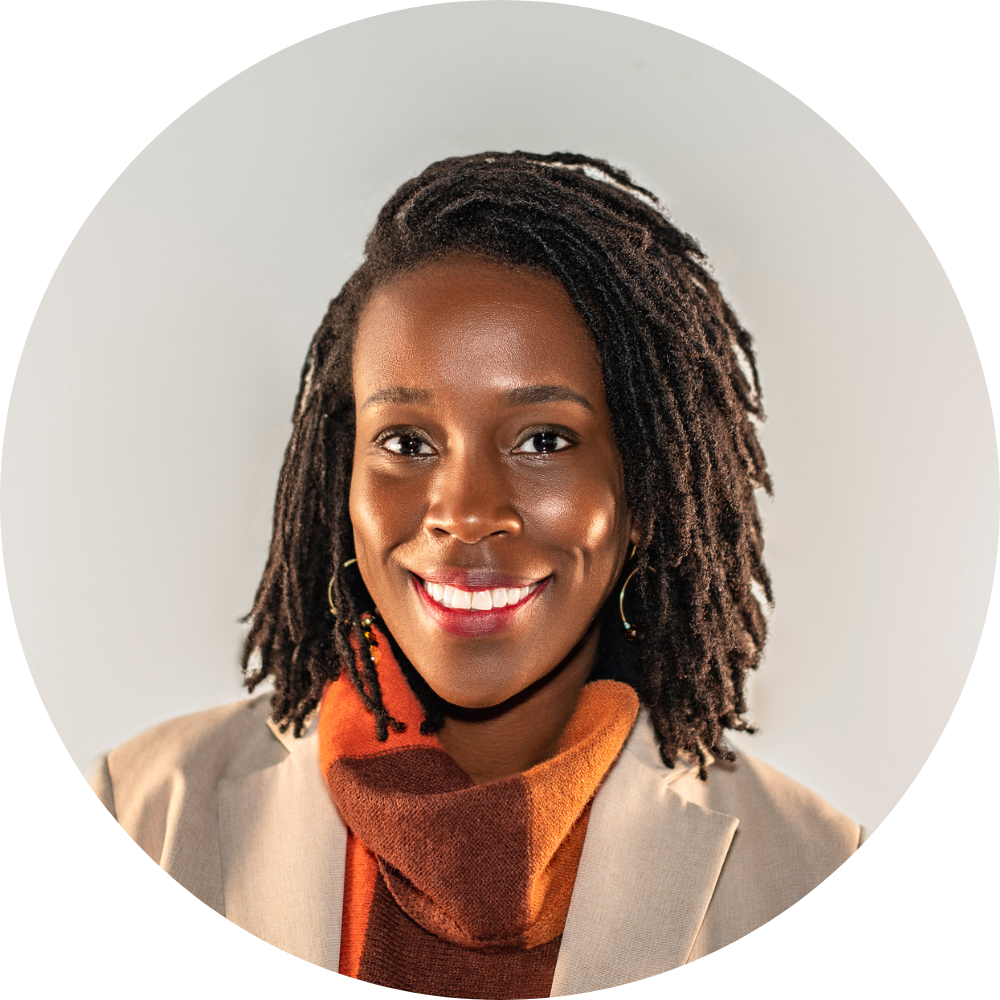
April Carter
For years, April Carter had been stuck in the role of office manager, unpromoted for an unfair reason. Before Kevin became CEO, he was troubled by this: “One of the staff members, she's a Black female, she does not have her degree. She's also one of the smartest people on our staff. She's strategic, she's brilliant, she's creative, she's everything you want in a staff member, [but] she was always kept as office manager, just because… ‘she didn't have her degree, so she can't move up’. And that was painful…a staff member being looked over again and again with [that] stupid, stupid excuse.” This type of credentialism, suggesting classism, is not uncommon in the nonprofit sector.
April had been promoted earlier, after 7 years at the predecessor organizations, but that hadn’t solved her financial hardships. “I got a new title without proper compensation…I was a single mom, working full-time, practicing good money management, but still living paycheck to paycheck. I remember one year my car needed repairs—about $800 or $900. It devastated my finances and everything went downhill from there. I couldn’t get a traditional bank loan because I wasn’t making enough. I couldn’t get assistance because I made too much. So the only option was payday loans. They’re quick to give you money—but then you learn you’re paying hundreds more in interest… I found myself in that spiral for a couple of years...I was doing great work, getting good reviews, but I was still working poor—unable to pay my bills and take care of my children.” She left her low-paid part-time position at the predecessor organization because she couldn’t make ends meet. When he became the CEO, Kevin visited her at her new job and persuaded her to come back to TNN, offering her $60,000 a year, many times her previous pay, plus health benefits. When Kevin became the CEO, he promoted April in several steps, and now she is the Chief Program Officer.
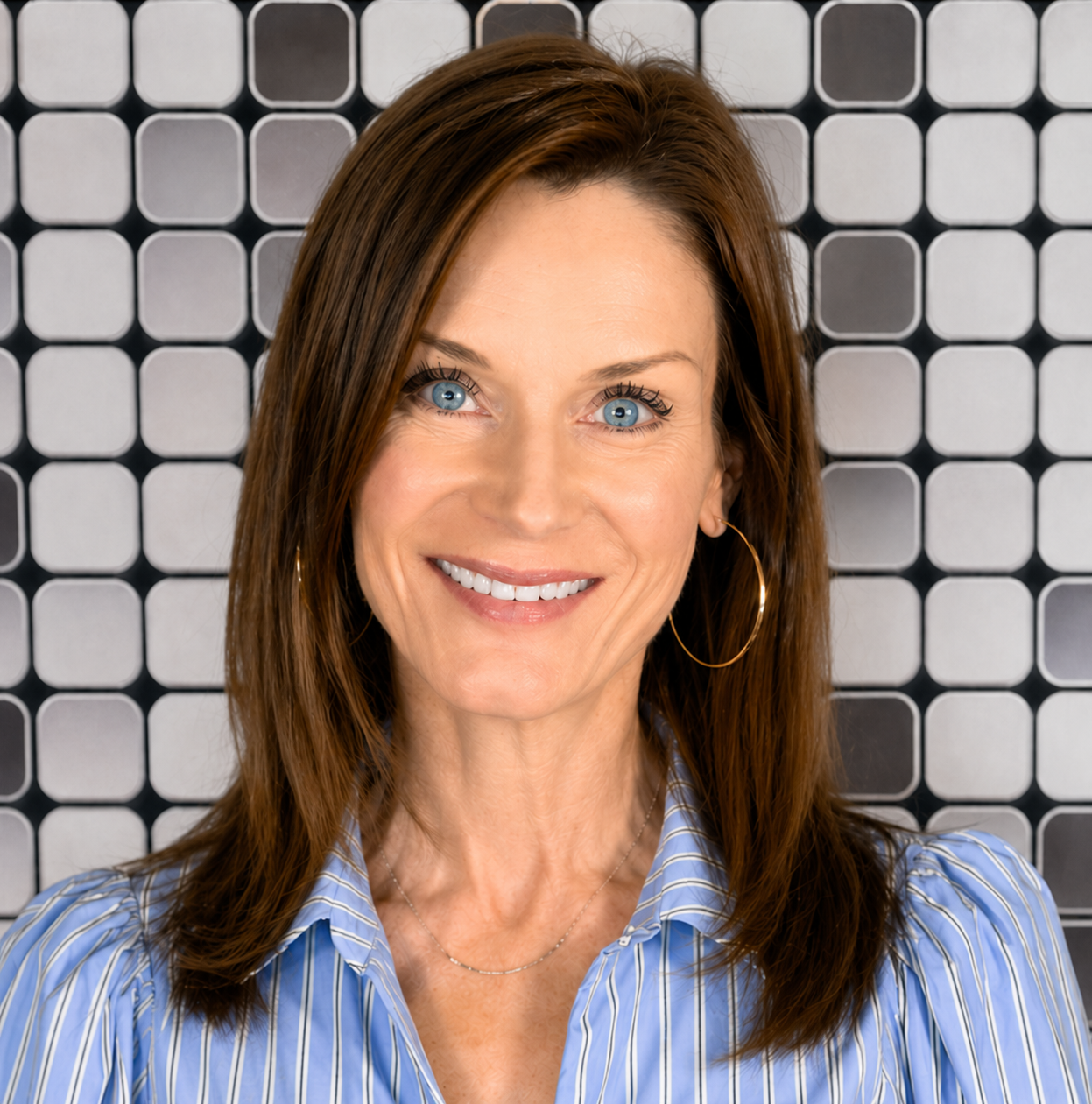
Kate Moss
Similarly, Kate Moss was struggling financially. She worked there as a part-time admin employee, but started asking for more responsibility in the organization, and Kevin increased her job to full-time. After multiple promotions, she is now the Chief Administrative Officer.
With a CEO who believes in them so much, these two top managers now express intense loyalty to the organization. The acknowledgement of their contributions and the promotions and raises created a rock-solid management team.
Besides promotions and raises, Kevin advocates for expanded benefits: “Holistic wellness, not just healthcare: While health insurance is critical, think beyond. Consider mental health support, employee assistance programs (EAPs), wellness stipends for gym memberships or healthy activities, and flexible work arrangements. True benefits address the whole person.”
The promotions, raises and benefits were just one aspect of how they built such a strong team. Now both April and Kate describe deep trust among the core staff.
The two-year transition from a regional to a statewide organization was rocky, in part because of the COVID shutdown and some turf battles, but also because the relaunch was like building the plane while flying it. Interpersonal tensions sapped morale. There were also some breaches of trust by a few employees, such as abusing the new unlimited PTO policy and the work-from-home flexibility. April says, “It was chaos—absolute chaos. We were tired, burned out, and overworked because of the short timeline. We didn’t learn to like each other, respect each other, or know anything about each other… When you don’t build culture, you can have all the competencies in the world, but it’s not going to succeed, because you have to embed culture and trust into the work.”
When this burnout and toxic environment were at their worst, TNN received a small Thrive grant from the National Council of Nonprofits, intended to support workplace wellness. They spent some of it on a trip to Nashville, where they did an escape room together. The staff held a visioning session with a gratitude exercise that went three hours overtime, with tears and laughter–a real bonding experience. In addition, they did a very unusual community-building activity, a mock funeral for the two predecessor organizations, which gave a sense of closure.
Now, Kate says, “There is so much trust that we’re all doing our job to the best of our abilities that we wouldn’t dare abuse the privilege or try to sneak around or undermine authority. There’s that level of understanding that we’re all in this together.”
This culture of trust has helped the staff face a hostile external climate. When homophobic doxxing and harassment forced them to briefly close the office and work remotely, the whole staff pulled together to deal with that disruption. Here’s another example of the staff working through a difficult conversation about federal pressures. When state and federal policies forced them to take the DEI language off their website and programming, April said, “Some of us—myself and other Black staff members—felt like it was an attack…We wanted no confusion about our support for equity... However, we saw funders pulling back. We saw public policy officials pulling back. So we had the hard conversation. It was very emotional in our training room: ‘This is how we feel. We feel attacked. We feel avoided. We feel like our voice is not being heard’. But we did find a way to at least … craft our language so the heart of the message still gets through... showing a strong support for the community and everyone that’s in it … a softer way for us to say inclusion. We talk about recognizing differences and still supporting differences without saying ‘equity’ or ‘diversity’… Not all funders pulled away.”
To support staff of color and women who might not feel comfortable bringing up some issues to the white males then at the top, the CEO appointed a female manager of color as a ‘mentor’, the sounding board for staff, who then brings issues to the appropriate top management. April gives an example of what has been brought to this ombudsperson by staff of color: “Why we may need a mental health day after something national has happened, like George Floyd[‘s murder].” Such thoughtful inclusion efforts have been crucial to building trust between top management and the rest of the staff.
Kate sums up TNN’s formula for a strong organization: “If you’re encouraging your staff, paying them well, and trusting them, so much of it is trust. … We feel lucky and blessed that we’re being paid well…We’re not going to go anywhere else.”
TNN is a success story of a culture change that has built trust and solidarity among the team members. But none of this transformation would have happened without the staff stability, loyalty, and expanded leadership engendered by promotions, higher pay, and better benefits.
More Nonprofits That Go Above and Beyond with Compensation
Several other organizations researched for the Upgrading Nonprofit Workplaces study, or appearing on the Fund the People Podcast, have made uncommon improvements to pay, benefits, and compensation structures that improve retention, equity and sustainability.
Location-based pay: Rising Sun Center for Opportunity puts staff who live in the more expensive Bay Area in a higher pay band, so those employees earn more than equivalent staff who live in more affordable areas.
Language premium: East Bay Community Law Center offers a pay premium for staff who use languages other than English in their work. They also offer a wellness benefit that staff can use for gym memberships.
Lived experience as a credential: In setting pay bands, LA Voice takes into consideration not just professional credentials but also personal experience with the social problems they work on, as well on bilingual expertise. The compensation consultancy Vega Mala helped them incorporate their values into their pay structure. (You can hear from Vega Mala on two Fund the People Podcast episodes, here and here, and see their equitable compensation toolkit here.)
Expanded dental coverage - By working with a broker, the Utah Nonprofit Association was able to offer better dental benefits. They also provide an internet stipend for remote workers.
Above prevailing wage - La Cocina takes data from a regional wage survey and sets their own pay for 130% of the median for comparable positions.
Financial wellness stipend - CHISPA introduced a financial wellness stipend, allowing employees to receive up to 4% of their salary to invest in options like a Roth IRA, brokerage account, or 529 plan, to support long-term financial stability and defray obligations such as student loans. One year they also provided an 8% cost-of-living adjustment (COLA) along with an additional 3–5% merit increase, resulting in total raises of approximately 11–13% for staff.
Expanded benefits - When the staff of the Colorado Immigrant Rights Coalition unionized, not only did they get 100% health coverage for the employee and up to 2 dependents, but the organization started paying staff members’ immigration fees, such as DACA renewal fees.
Ratio between highest and lowest paid - When Partnership for Children and Youth developed a structured compensation philosophy with defined salary bands, they capped the highest salary at no more than 2.5 times the lowest, ensuring internal pay equity and limiting excessive wage gaps.
Raise the floor - Choose 180, a Seattle-based youth development organization, made a dramatic leap to $70,000 as their lowest pay, an unusual one-step jump up from the prior average of less than $50,000. (You can hear the story on the Fund the People Podcast here.)
The Case Study series is the latest component of the Upgrading Nonprofit Workplaces study. Its purpose is to give examples of the practices in the Sustainable Jobs Toolkit, co-created by All Due Respect and the Staffing the Mission project, now part of Fund the People. For more best practices on Compensation, see the Toolkit here.
Written by Betsy Leondar-Wright, Ph.D.
With research assistance from Nikki Mirala
Published by Fund the People
In collaboration with All Due Respect